
2026-10-29 · Bobby Pruitt
Step By Step Guide To Reading Your Gas Meter
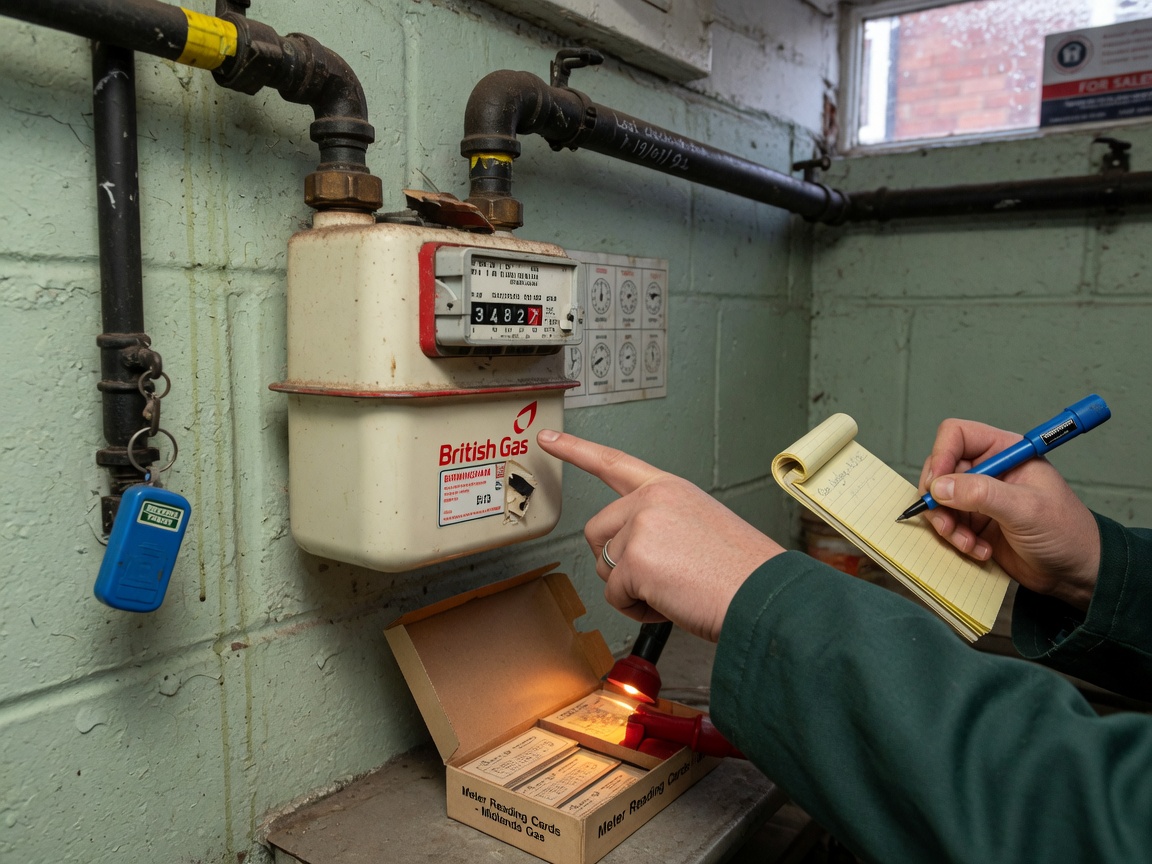
Reading your gas meter starts with locating the device on the exterior of your home, typically near the foundation in neighborhoods such as Southside, Five Points South, or Avondale. Note the current reading by recording the numbers shown on each dial from left to right, ignoring the last dial if it shows fractions. This gives an accurate usage figure for billing periods in Jefferson County homes built before 1970, where meters often sit in slightly shaded spots that collect moisture during humid subtropical summers.
Locating and Preparing to Read the Meter
In Birmingham's older stock found in Highland Park, Forest Park, Crestwood, and Ensley, meters are commonly mounted at ground level or slightly below on brick foundations. Approach the meter during daylight hours between 8am and 6pm on weekdays when visibility is best. Clear away any vegetation or debris that may have accumulated from the mild winters and heavy summer rains typical in Jefferson County. Wear gloves if the area shows signs of recent moisture, as condensation can form on glass covers in the humid climate. Confirm the meter belongs to your property by checking the address tag before recording any numbers. This preparation prevents misreads that could occur on shared lines in denser blocks near Titusville or Pratt City.
Reading Analog and Digital Displays Step by Step
Most homes in Woodlawn, East Lake, and North Birmingham still use analog meters with four or five dials. Start at the leftmost dial and record the number the hand points to, rounding down if it sits between numbers. Move rightward across each dial, noting that some hands turn clockwise while others turn counterclockwise. For digital displays common in newer builds near Hoover or Homewood, simply copy the full number string shown on the screen. Subtract the previous month's reading to calculate usage. Perform this check monthly during hot summer stretches when air conditioning loads increase gas consumption for water heating. Always double-check the direction of each dial before moving to the next to avoid transposition errors.
Accounting for Local Climate and Terrain Effects
Jefferson County's rolling terrain and humid subtropical conditions mean meters in low-lying spots near Railroad Park or Oak Hill Memorial Cemetery can collect standing water after storms. This moisture may fog the cover or corrode connections, making readings harder during mild winter months when temperatures rarely drop enough to freeze lines. In contrast, homes on higher ground in Mountain Brook experience less pooling but more direct sun exposure that can fade dial markings over time. Check the meter after heavy rains to ensure no debris blocks the view. These factors make quarterly inspections more reliable than waiting for annual utility visits in areas like Crestwood or Avondale.
Knowing When Readings Signal a Problem
If your recorded usage jumps unexpectedly, compare it against the same month last year while factoring in summer heat or holiday cooking loads common in Birmingham households. Sudden spikes may indicate a leak or faulty appliance, especially in older homes around Sloss Furnaces or the Birmingham Civil Rights Institute area. Cross-reference your reading with the utility bill before assuming an issue. For persistent discrepancies, schedule a professional inspection rather than attempting adjustments yourself. Maintaining Gas Lines In Humid Southern Climates explains how seasonal humidity accelerates wear on exposed fittings. What To Do If You Smell Gas In Your Neighborhood provides next steps if readings coincide with odor reports.
Recording and Tracking Usage Over Time
Keep a simple log of monthly readings in a notebook or spreadsheet, noting the date, weather conditions, and any recent appliance changes. This record helps spot patterns tied to Birmingham's hot summers when pool heaters or fireplaces see less use. Compare figures across seasons to understand baseline consumption in your specific neighborhood. Share the log with Tennessee Gas & Pipeline technicians if discrepancies arise. Consistent tracking also supports accurate budgeting for households in Pratt City or Titusville where older infrastructure can produce variable readings. Review entries every three months to catch gradual drifts early.