
2026-10-29 · Bobby Pruitt
Handling Gas Line Issues After Heavy Rainfall
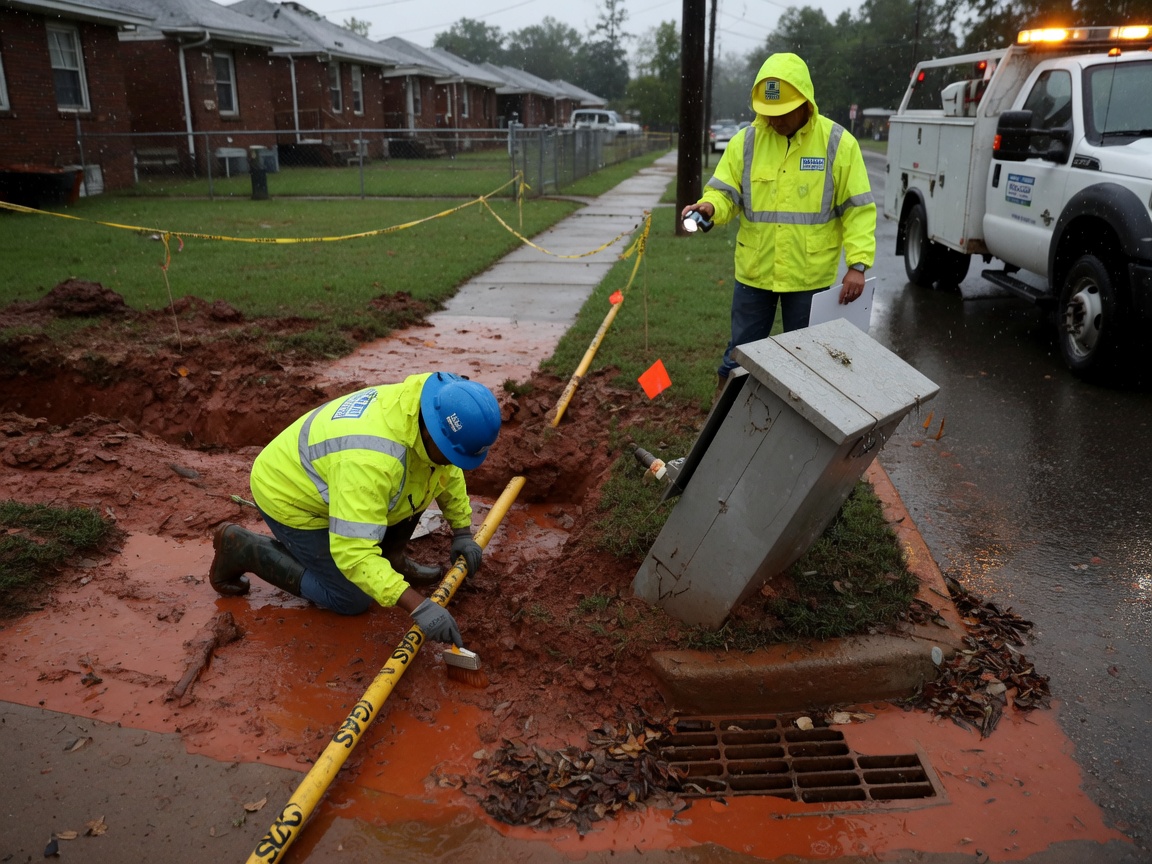
Heavy rainfall in Jefferson County typically surfaces gas line issues within 24 to 72 hours as saturated clay soils shift and expose older lines to moisture. In neighborhoods such as Southside, Five Points South, and Avondale, where many homes predate 1960, underground steel pipes can develop pinhole leaks or loose fittings once water pools around foundations. Operators based in Birmingham, AL notice these patterns repeat after spring and summer downpours that drop several inches in a single afternoon.
Soil Conditions That Trigger Problems
Jefferson County's red clay holds water for days after storms, creating hydrostatic pressure against buried lines in Highland Park, Forest Park, and Crestwood. This pressure pushes joints apart on lines installed before modern polyethylene standards. In flatter zones like Ensley and North Birmingham, poor drainage lets water sit directly over pipelines for extended periods, accelerating corrosion on any exposed metal sections. Terrain near Titusville and Pratt City often channels runoff into yards, concentrating moisture exactly where residential gas lines run from the street to the meter.
Homeowners in Woodlawn and East Lake report similar shifts when heavy rain follows weeks of dry weather, because the ground contracts then expands rapidly. These cycles stress older threaded connections more than newer welded ones. Nearby cities such as Hoover, Homewood, and Mountain Brook share the same soil profile, so the same saturation risks appear on their older residential streets.
Visible and Hidden Signs After Storms
Watch for hissing sounds near the meter or sudden drops in appliance flame height once the rain stops. In Southside and Avondale, residents sometimes notice a faint sulfur odor rising from low spots in the yard where water has drained away. Dead or yellowing grass patches along the line path can indicate leaking gas displacing oxygen in the soil. Inside the home, pilot lights that extinguish repeatedly after a storm point to pressure changes caused by water entering the line.
Check exposed sections near the foundation in Highland Park homes for rust streaks or wet soil that does not dry within two days. These indicators warrant immediate professional attention rather than DIY attempts.
Safe Response Steps for Homeowners
First, shut off the gas at the meter if you detect any odor, then ventilate the space and avoid electrical switches. Next, document visible yard changes with photos before the ground dries. Contact a local service during business hours—Monday through Friday 8am to 6pm or Saturday 9am to 2pm—to schedule an inspection. Technicians use electronic detectors and pressure tests suited to Birmingham's clay-heavy soils rather than generic methods.
Avoid digging or probing the area yourself, as striking a compromised line can worsen the leak. In Crestwood and Forest Park, where lots slope toward homes, note any new erosion channels that may have uncovered pipe sections.
When to Schedule Professional Assessment
Lines showing pressure loss after rain require testing with equipment calibrated for the region's humidity and soil conductivity. Gas leak detection identifies subsurface issues without excavation first. If repair is needed, crews often replace affected sections with underground gas line installation rated for wet conditions common in Jefferson County.