
2026-10-29 · Bobby Pruitt
Common Reasons For Low Gas Pressure In Homes
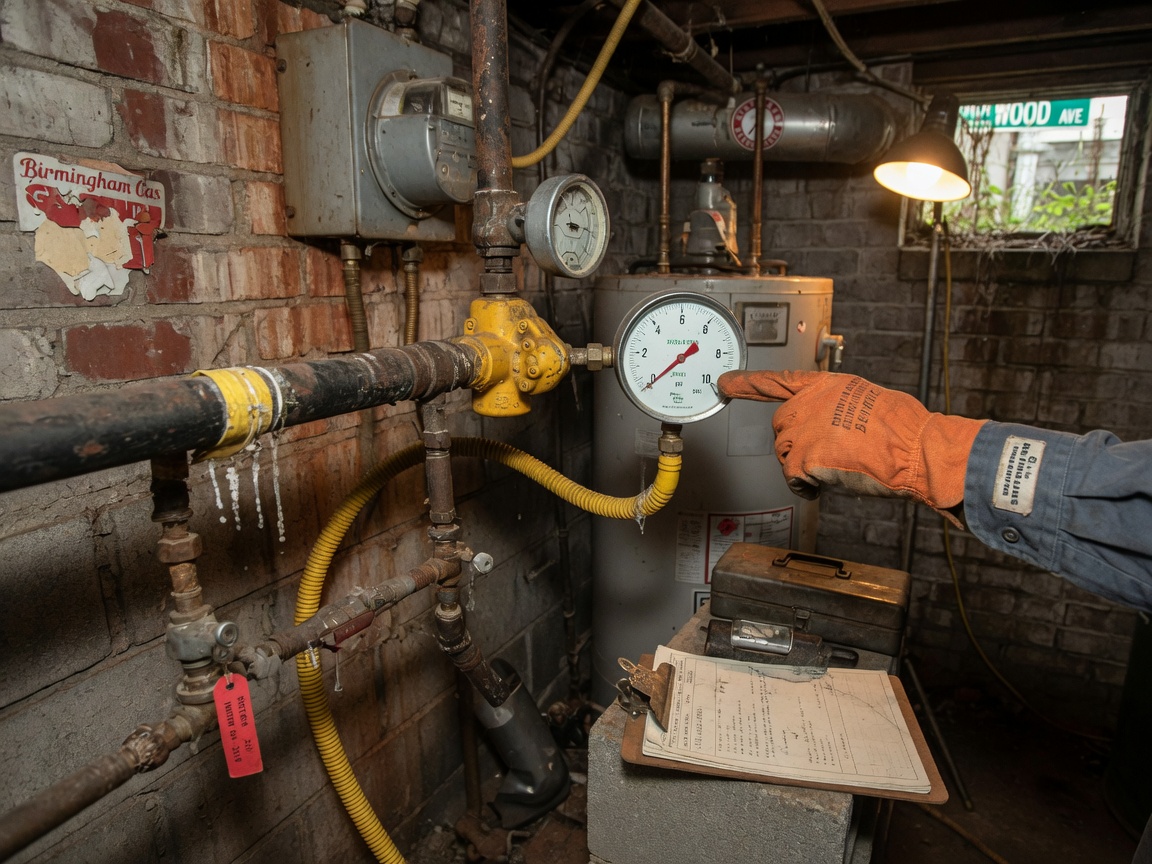
Low gas pressure in Birmingham homes most often results from corroded steel lines installed before 1960, failing regulators, or small leaks that develop in clay-heavy Jefferson County soils. These factors combine with seasonal temperature swings and root growth from mature trees common across Southside, Five Points South, and Avondale.
Corroded or Aging Supply Lines
Many homes in Ensley, Pratt City, and North Birmingham still rely on original black-iron or early plastic lines that have thinned after decades underground. Clay and red soil in Jefferson County holds moisture against the pipe, accelerating external rust while interior scale narrows the bore. When pressure drops below the 7-inch water-column range appliances expect, stoves and water heaters fail to light properly. Tree roots along Highland Park streets frequently press against shallow runs, creating dents that further restrict flow. Regular visual checks of exposed piping and pressure testing at the meter help identify sections needing replacement before complete failure occurs.
Regulator or Meter Problems
The service regulator mounted near the meter can lose calibration after 15–20 years of exposure to Birmingham's hot summers and occasional freezes. When the diaphragm stiffens or the vent screen clogs with pollen and dust, outlet pressure falls even though the utility main remains strong. In Crestwood and Forest Park, where many homes sit on sloped lots, regulators installed at odd angles sometimes trap condensate that interferes with spring tension. Technicians measure both inlet and outlet pressure with a manometer to confirm whether the regulator or an upstream utility issue is at fault.
Undetected Leaks Reducing Volume
Small leaks at threaded joints or around old shutoff valves release enough gas to drop pressure at distant appliances without triggering an obvious odor indoors. In Woodlawn and East Lake, where homes sit close together on narrow lots, shared trench runs increase the chance that one property's leak affects the next. Soil movement after heavy summer rains can also pull fittings apart. Gas leak detection with calibrated instruments locates these escapes quickly so targeted gas line repair restores full pressure without unnecessary excavation.
Blockages from Debris or Seasonal Demand
Rust flakes, pipe dope, or construction sediment can lodge at elbows and appliance valves, especially after any upstream work. During the brief winter heating season, simultaneous use of furnaces and water heaters in larger Highland Park homes can exceed the capacity of undersized laterals installed decades ago. Checking that all shutoff valves are fully open and that no new appliances were added without upsizing the line prevents misdiagnosis of pressure complaints.
When to Schedule Professional Testing
Homeowners noticing weak burner flames, delayed ignition, or pilot lights that struggle to stay lit should request a full pressure test rather than guessing at the cause. Signs your gas line needs professional inspection outlines the exact symptoms that warrant a service call. Properties in Homewood and Mountain Brook with additions built over original lines benefit from tracing the entire run before symptoms worsen. Tennessee Gas & Pipeline operates Monday through Friday 8am–6pm and Saturday 9am–2pm from its Birmingham base to respond to these calls across Jefferson County.